
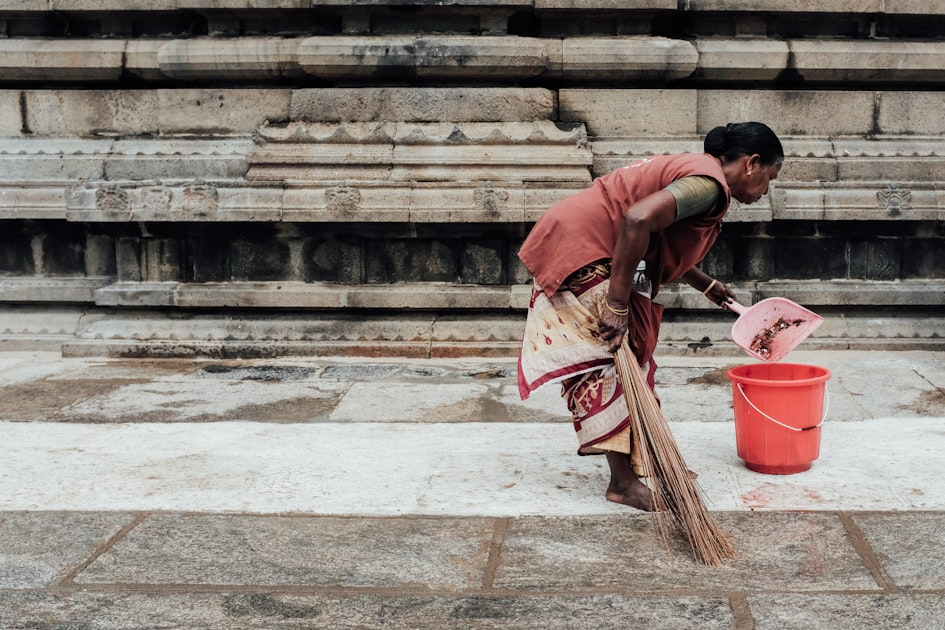
Exploring the Evolution of Housekeeping Through the Ages
What is the history of housekeeping?
Housekeeping has evolved significantly from medieval times, where it was often a communal effort, to modern practices that emphasize individual responsibility and technology. The role of homemakers has changed, reflecting societal values and technological advancements.
How has technology influenced homemaking practices?
Technological advancements have transformed homemaking, from the introduction of labor-saving devices like washing machines and microwaves to the rise of smart home technology. These innovations have made household management more efficient, allowing homemakers to focus on other aspects of life.
What societal views exist on homemakers?
Societal views on homemakers have varied throughout history, often reflecting broader cultural attitudes towards gender roles. In some periods, homemakers were celebrated for their contributions, while in others, they faced criticism for not participating in the workforce, highlighting ongoing debates about gender and work.
What challenges do modern homemakers face?
Modern homemakers encounter various challenges, including balancing household responsibilities with professional commitments, managing time effectively, and navigating societal expectations. These pressures can lead to stress, but many find fulfillment in creating a nurturing home environment.
How can one learn more about the history of housekeeping?
To delve deeper into the history of housekeeping, one can explore academic texts, historical documentaries, and online resources that cover the evolution of domestic roles. Engaging with community discussions and attending workshops can also provide valuable insights into this rich topic.


Housekeeping has evolved significantly, influenced by cultural shifts and technological advancements, shaping the role of homemakers in society.
Throughout history, the role of homemakers has been pivotal, often undervalued yet essential. From medieval England, where women managed households with limited resources, to the modern era, where technology has revolutionized home management, the journey of housekeeping is a testament to resilience and adaptation. Understanding this evolution helps us appreciate the complexities of domestic life and the societal perceptions surrounding it.
“The work of homemakers has often been invisible, yet it forms the backbone of society, reflecting cultural values and technological progress.”
e5trf 2024
The transition from manual to automated household tasks has not only changed the dynamics of home management but also influenced how society views the role of homemakers. As technology advances, so does the perception of domestic work, highlighting the need for recognition and respect for this vital role.

The history of housekeeping reveals a rich tapestry of cultural practices and technological innovations that have shaped domestic life. From the medieval period to the present day, the evolution of homemaking reflects broader societal changes, including shifts in gender roles and the impact of industrialization. Understanding these changes provides insight into the ongoing dialogue about the value of domestic work and the recognition of homemakers’ contributions to society.
Key Highlights of Housekeeping History
- **Historical Context**: The role of homemakers has evolved from being primarily domestic caretakers to recognized contributors to the economy, influenced by societal changes and technological advancements.
- **Technological Advancements**: Innovations such as the washing machine and vacuum cleaner have transformed housekeeping, making tasks easier and allowing for more time to be spent on other pursuits.
- **Cultural Perceptions**: The view of homemakers has shifted over time, from being seen as solely responsible for domestic duties to being acknowledged as vital players in the workforce and society.
The Evolution of Housekeeping Practices
Housekeeping practices have undergone significant transformations, influenced by various factors including technological advancements and changing societal norms. In medieval England, homemakers relied on manual labor and traditional methods, while modern homemaking incorporates advanced tools and techniques that streamline household management. This evolution reflects broader cultural shifts and the ongoing dialogue about gender roles and domestic responsibilities.
As we explore the history of housekeeping, it becomes evident that the contributions of homemakers are often overlooked. Recognizing their role in shaping domestic life is crucial for understanding the complexities of societal structures and the value placed on domestic work. The journey from past to present highlights the resilience and adaptability of homemakers, showcasing their importance in both historical and contemporary contexts.
Jane Doe